Can You Accuse a Company of Racism Online? Understanding the Barloworld Judgment
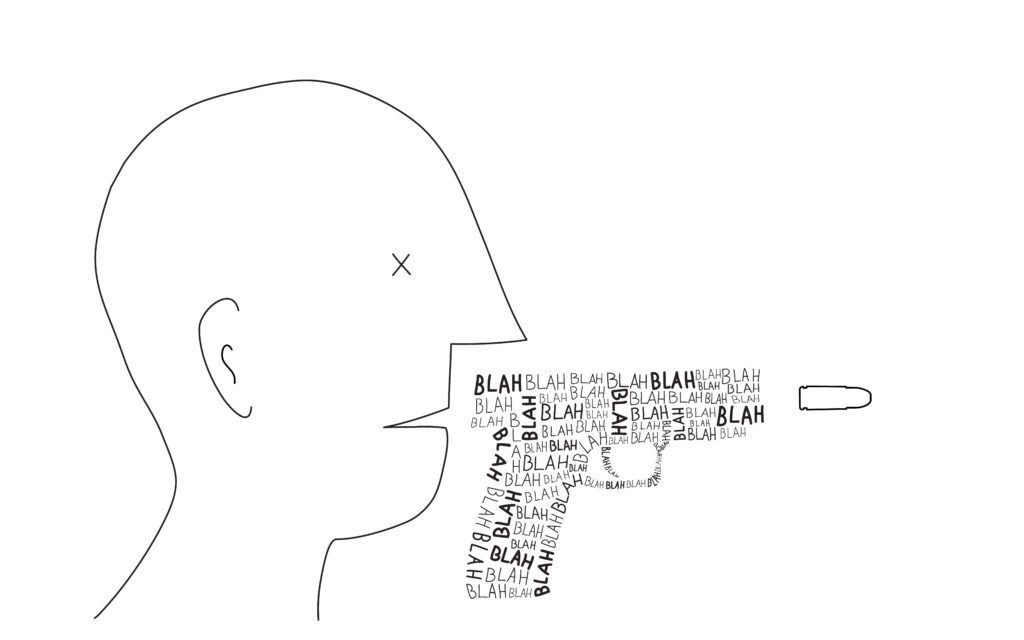
The case of Barloworld South Africa (Pty) Ltd v Fisokuhle Multi Services CC and Another [2026] ZAGPJHC 616 is an important South African judgment about social media defamation. It deals with the conflict between the right to freedom of expression and the right of a company to protect its reputation. Both equally important. The Court had to decide whether social media posts accusing Barloworld of racism, corruption, dishonesty, exploitation, and false transformation were protected as free speech or amounted to unlawful defamation. The Court ruled that freedom of expression does not extend to serious allegations that cannot be supported by evidence.
Background
Fisokuhle Multi Services Close Corporation provided services to Barloworld under its supplier development programme for black-owned businesses. After the business relationship ended, a dispute arose. The respondents claimed that Barloworld:
treated black-owned businesses unfairly; exploited black women entrepreneurs; engaged in racist conduct; presented a false image of transformation; and wrongfully terminated contracts.
These allegations were published on Facebook and LinkedIn. Barloworld argued that the statements damaged its reputation and approached the High Court for relief.
The Court had to determine whether the social media posts were defamatory; whether any legal defences applied; whether freedom of expression protected the publications; and whether a final interdict should be granted.
What Is Defamation?
Under South African law, defamation occurs when a person unlawfully publishes a statement that harms another person’s or company’s reputation. To prove defamation, a plaintiff must show that a statement referring to and damaging the reputation of the plaintiff was in fact published. The Court found that accusations of racism, corruption, dishonesty, and exploitation would seriously damage the reputation of any company. The statements were therefore defamatory.
Can Companies Sue for Defamation?
Yes. The Court confirmed that companies have a legally protectable reputation. Although a company does not have personal dignity like an individual, it has commercial goodwill and public credibility that deserve legal protection. Therefore, Barloworld was entitled to seek protection of its reputation.
Defences
A defendant can avoid liability if they prove that the published statement is substantially true; and Its publication is in the public interest. The Court accepted that issues such as racism, transformation, and treatment of black-owned businesses are matters of public importance. However, the respondents failed to provide sufficient evidence proving that Barloworld was corrupt, racist, dishonest, or exploitative. As a result, the defence failed.
The defence of fair comment protects opinions rather than facts. To succeed, the opinion must: be based on true facts; concern a matter of public interest; and be honestly held.
The Court found that many of the respondents’ statements were presented as factual allegations rather than opinions. Because there was insufficient evidence supporting those allegations, the defence of fair comment could not succeed.
Freedom of Expression
Section 16 of the Constitution of the Republic of South Africa protects freedom of expression, including criticism of corporations and discussion of transformation and racism. However, freedom of expression is not unlimited. The Court emphasised that constitutional protection does not extend to defamatory statements that cannot be justified through recognised legal defences. People are free to criticise companies, but serious accusations must be supported by facts.
The Court’s Decision
The Court held that the social media posts were defamatory; the respondents failed to prove any valid defence; Barloworld’s reputation had been harmed; and continued publication would cause further damage.
The Court ordered removal of the offending Facebook and LinkedIn posts within five days; a prohibition on further defamatory publications; and payment of legal costs by the respondents.
Why This Case Matters
This judgment highlights several important principles. It confirms that social media posts on platforms such as Facebook and LinkedIn are subject to the same defamation rules as newspapers and other forms of publication, and that companies have a legal right to protect their commercial reputation from unjustified attacks. It reiterates that
serious allegations of racism, corruption, dishonesty, or exploitation require proof. It illustrates that while freedom of expression protects robust debate and criticism, it does not protect unsupported defamatory claims.
Conclusion
The Barloworld judgment demonstrates how South African courts balance freedom of expression with the protection of reputation in the digital age. While social media provides a valuable platform for public criticism and discussion, users remain legally accountable for serious factual allegations they publish. The case confirms that freedom of expression protects honest debate and criticism, but not defamatory statements that cannot be substantiated by evidence.