Should Podcasts Be Regulated Like Radio Stations to Combat Hate Speech?
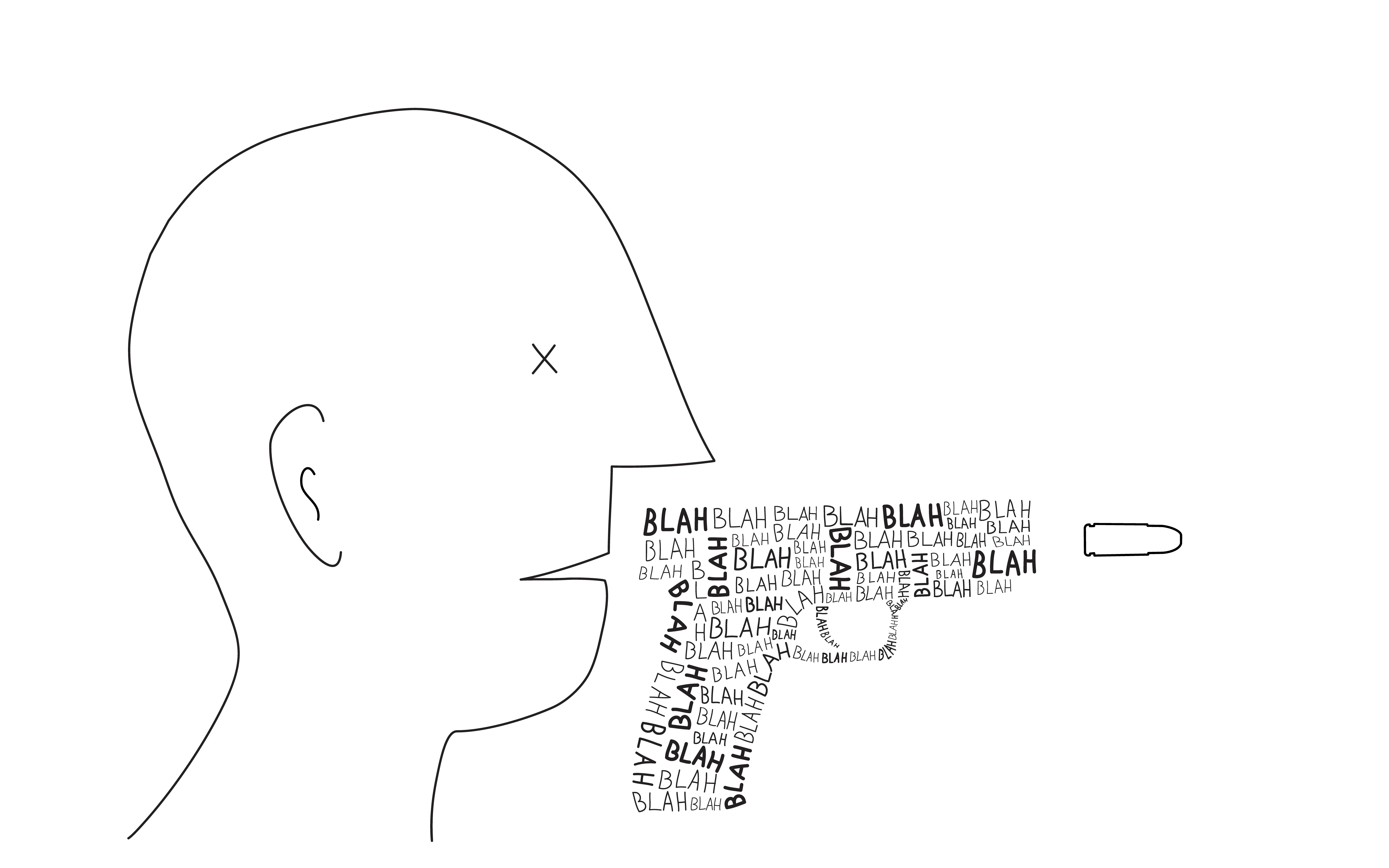
The recent controversies surrounding popular South African podcasts have ignited a national debate on whether these platforms should be subjected to the same regulations as traditional radio stations. The public discourse has been fuelled by several high-profile incidents occurring recently. This has led to calls from political figures and some podcasters for greater accountability, while others in the industry express concerns about censorship and the loss of creative freedom. A key focus of this debate is the issue of hate speech and derogatory commentary on these platforms.
The Draft White Paper on Audio and Audiovisual Media Services and Online Safety (2025) provides important context for this discussion. The White Paper recognises that the existing broadcasting framework, designed for an analogue era, is no longer fit for purpose in a world of streaming, on-demand services, and user-generated content. It proposes a tiered, risk-based approach to regulation that applies fairly across traditional broadcasters, on-demand content providers, and online platforms, including podcasts. Crucially, it calls for measures to ensure that digital platforms take responsibility to prevent illegal, offensive, and harmful content, particularly hate speech, racist remarks, or content harmful to children.
The debate intensified following derogatory comments made by podcaster Macgyver ‘MacG’ Mukwevho about presenter Minnie Dlamini. MacG’s remarks were described by the Deputy Minister in the Presidency for Women, Youth and Persons with Disabilities as “nauseating in its vulgarity”and a violation of Dlamini’s rights. Dlamini spoke out about the emotional toll she has been dealing with and the legal action she is pursuing. Dlamini also revealed that she had been harassed for over three years after defending actress Amanda du-Pont, who had also been spoken about in a vile way on the podcast.
Similarly, the hosts of the Open Chats Podcast, Mthokozisi Methula and Sinothando Kama, issued an apology for racist, sexist, unfortunate, irresponsible, reckless, and un-African remarks made about the coloured community.[1] Their comments sparked outrage, leading to condemnation from political parties and calls for the podcast’s removal. The hosts committed to removing the offensive episode and educating themselves on human rights and racism.
These events have brought to the fore the need for accountability in the podcast sector, prompting Khusela Sangoni Diko (“Diko”), chairperson of the parliamentary communications committee, to call for regulatory parity between different media platforms. Diko noted that legislation in the sector is outdated and that discussions about regulating “Over-the-Top (OTT) services and online content services such as podcasts are not new“. She stated that the goal of regulation is to ensure these platforms, which boast audiences of over 3 million people, “operate within the framework of the Constitution and applicable laws”. Diko also emphasised that platforms should not be exempt from responsibility for the content they host.
A look at the existing framework for broadcasters provides a glimpse into what a regulatory model for podcasts could look like. The Broadcasting Complaints Commission of South Africa’s (“BCCSA”) Free-to-Air Code of Conduct for Broadcasting Service Licensees outlines several key areas that could be applied to podcasts, particularly regarding hate speech.
The BCCSA code states that broadcasters must not air material which, judged within context, sanctions, promotes or glamorises violence or unlawful conduct based on race, national or ethnic origin, colour, religion, gender, sexual orientation, age, or mental or physical disability. The code further prohibits broadcasting material that amounts to propaganda for war, incitement of imminent violence, or the advocacy of hatred that is based on race, ethnicity, religion or gender and that constitutes incitement to cause harm.
The derogatory comments made by MacG about Minnie Dlamini and Amanda du-Pont, as well as the remarks by the hosts of the Open Chats Podcast about the coloured community, could be directly addressed by these existing regulations. The BCCSA code explicitly targets commentary that degrades people based on gender and race and promotes hatred. This suggests that a regulatory framework based on the BCCSA model could provide a formal mechanism to address the harm caused by such commentary.
The code provides a clear set of guidelines for what constitutes unacceptable content, and its application to the podcasting space could provide recourse for individuals who are harmed by these types of statements, without having to resort to legal action, which is often costly and inaccessible. The code also has exemptions for “bona fide scientific, documentary, dramatic, artistic, or religious” broadcasts, or discussions on a “matter of public interest,” which could help to preserve some of the creative freedom of podcasters.
The White Paper also proposes the establishment of an online ombudsman to provide an accessible complaints mechanism for victims of online harms, offering recourse without the high costs of litigation. This aligns with the Broadcasting Complaints Commission of South Africa’s (BCCSA) Code, which already prohibits hate speech in broadcasting. Together, these frameworks suggest that podcasts could be regulated in a way that balances accountability with freedom of expression.
Ultimately, the debate is a clash between accountability and creative freedom. Proponents argue that regulation is necessary to curb hate speech, misogyny, and disinformation, pointing to the White Paper’s call for regulatory parity between broadcasters and OTT platforms. Opponents fear overreach and loss of podcasting’s authenticity. The challenge for policymakers will be to implement the White Paper’s vision: a regulatory model that protects individuals and communities from harm while preserving the independent, diverse voices that make podcasting powerful.
The question now is whether this challenge will be met by the Minister, and, if so, how it will shape this new era of podcasting.
[1] In the South African context, the term “coloured” refers to a legally and socially recognised multiracial ethnic group with a distinct cultural identity, shaped by a complex history of colonialism and apartheid. It is not generally considered a pejorative term when used in this context.